Should I Sell My Business or Close It? When It's Worth Less Than Its Debts, Selling Often Costs Less

When a business owes more than it's worth, its owner has two ways out. You can close it yourself: notice for the staff, keys back to the landlord, machines sold off. Or you can hand it to someone who wants the activity, for a token price, sometimes even paying him to take it.
In that situation, closing often costs you more than handing over for almost nothing. Closing means paying for everything you promised, first out of the company, then out of your own pocket. Handing over means someone else takes some of those promises with the business, so you negotiate what the buyer takes on, not the price. And that negotiation only exists while you still choose the moment.
Two bills
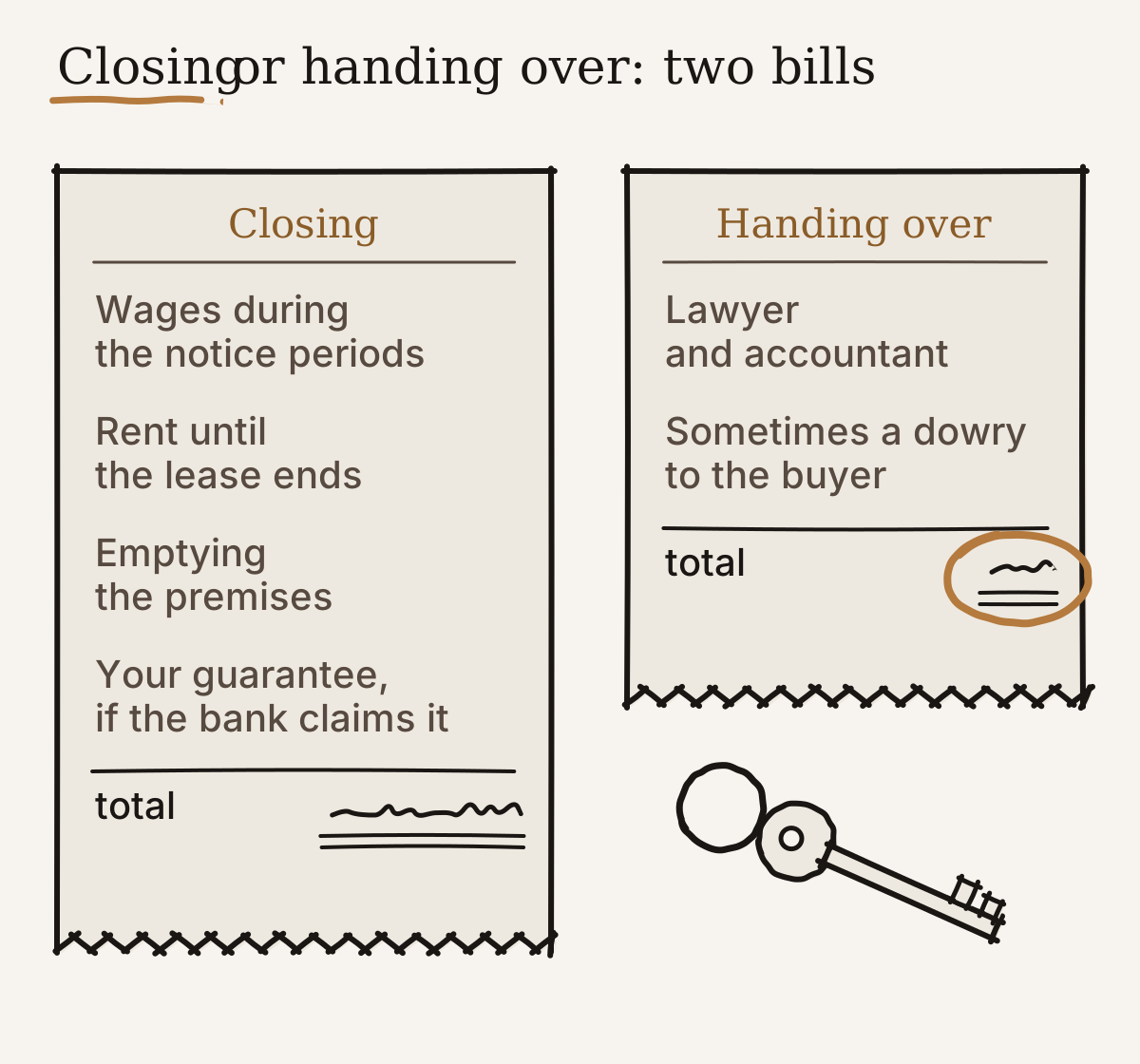
The bill for closing is long. Wages run through each notice period, plus whatever the contracts or collective agreements add. Rent runs to the end of the lease, unless the landlord accepts an early exit, at a price. The premises must be emptied and put back in order. Suppliers and lenders want the rest.
Then comes the bank. If you signed a personal guarantee (your signature behind the loan), it stays in force until the loan is repaid or the bank lets you go. Closing usually means the bank claims it for whatever the assets didn't cover, and machines, stock and furniture sold one by one rarely fetch what they're worth inside a running business. The press that paid the rent every month becomes a lot number on an auction sheet.
The bill for handing over is short: a lawyer, an accountant, sometimes a dowry, a sum you pay the buyer for taking the business on. A symbolic price, even a negative one, is ordinary market practice.
A printing business I've made up: 12 people, three years left on its lease, presses worth little more than their weight if sold alone, and a bank loan guaranteed personally by the owner, who is 61. Closing means notice wages, three years of rent or an exit fee, hauling out the presses, then the bank's letter. Handing over means the printer down the road takes the team, the lease and the clients for a symbolic sum. On the day itself, what changes hands in front of you is a bunch of keys.
What gets negotiated when the price doesn't
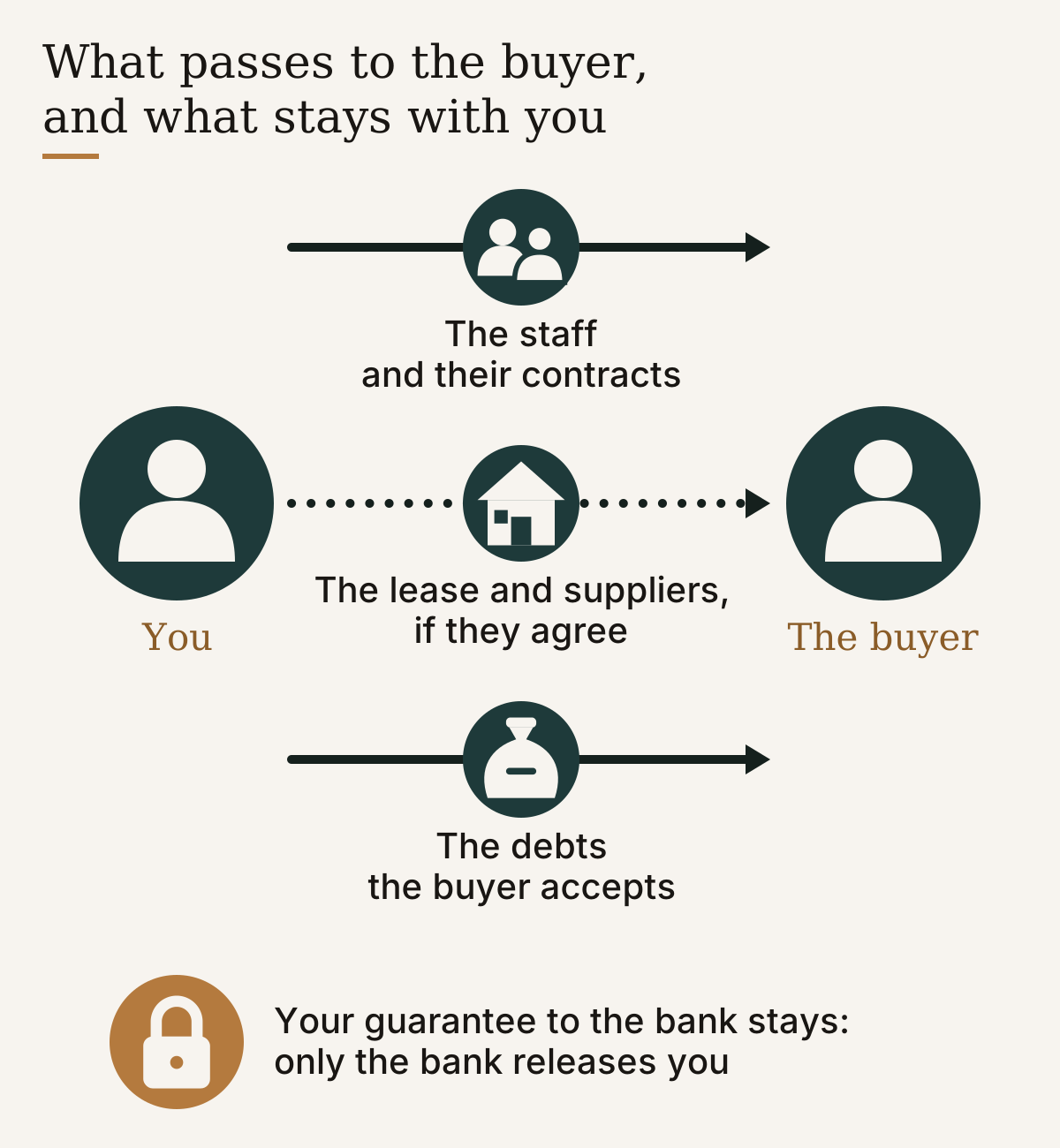
You can sell the shares, a share deal (the company changes owner). The company stays the employer, the tenant and the debtor, with all its debts, known or not, and the buyer protects himself with warranties, written promises from you about what he's buying. Or you can sell the activity, an asset deal (the business, not the company): the buyer picks the equipment, contracts and debts he accepts. What he leaves stays in your company, to be settled or wound up. More on selling the assets or the shares.
When it's the activity that passes to the buyer, the staff and their contracts pass with it. In Switzerland, Germany and Austria, for example, the law says so; elsewhere, ask your lawyer whether the same holds where you are. If the buyer wants fewer people than you employ, that gap is settled before signing, in the discussion of who pays for what: what it costs, who carries it, and what the law lets you do about it, which is a question for your lawyer.
The lease and your client and supplier contracts don't follow the activity by themselves: read each one, and expect the other side to have a say. Collecting those yeses, the landlord's first, comes before you sign.
Your guarantee doesn't pass at all. It carries your name, and only the bank can release you. Its release belongs on the list of what's negotiated, with the bank in the room.
Who takes it on? Usually someone who wants the activity rather than the company: a competitor, a supplier or client securing an outlet or a source, a manager, a turnaround investor. Several are probably on the list of people who already know your business.
Beware the buyer with neither money nor a plan. If he fails within the year, your staff land where closing would have put them, and you still carry the guarantee nobody released and the debts left in your company. That's why an orderly wind-down remains the honest exit when nobody credible will take the business on.
Who decides when
As long as the company pays its bills and its debts don't exceed what it owns, you choose the moment and the buyer.
The window has a hard edge. Once a company's debts exceed what it owns, its directors have to notify the court within a short deadline; past that point, the calendar isn't theirs. In Switzerland, Germany and Austria, for example, the law says so; elsewhere, ask your accountant what the trigger is where you are, and how long you have. To take one case, German directors have at most six weeks from the day the debts exceed the assets, and three weeks from the day the company can no longer pay.
Once a court is involved, the choice of buyer and of moment is no longer yours. In Switzerland, for example, once the business is sold out of bankruptcy or a court-supervised arrangement, the staff pass to the buyer only if he agreed to take them. There, the team, your strongest card, becomes a list he draws up.
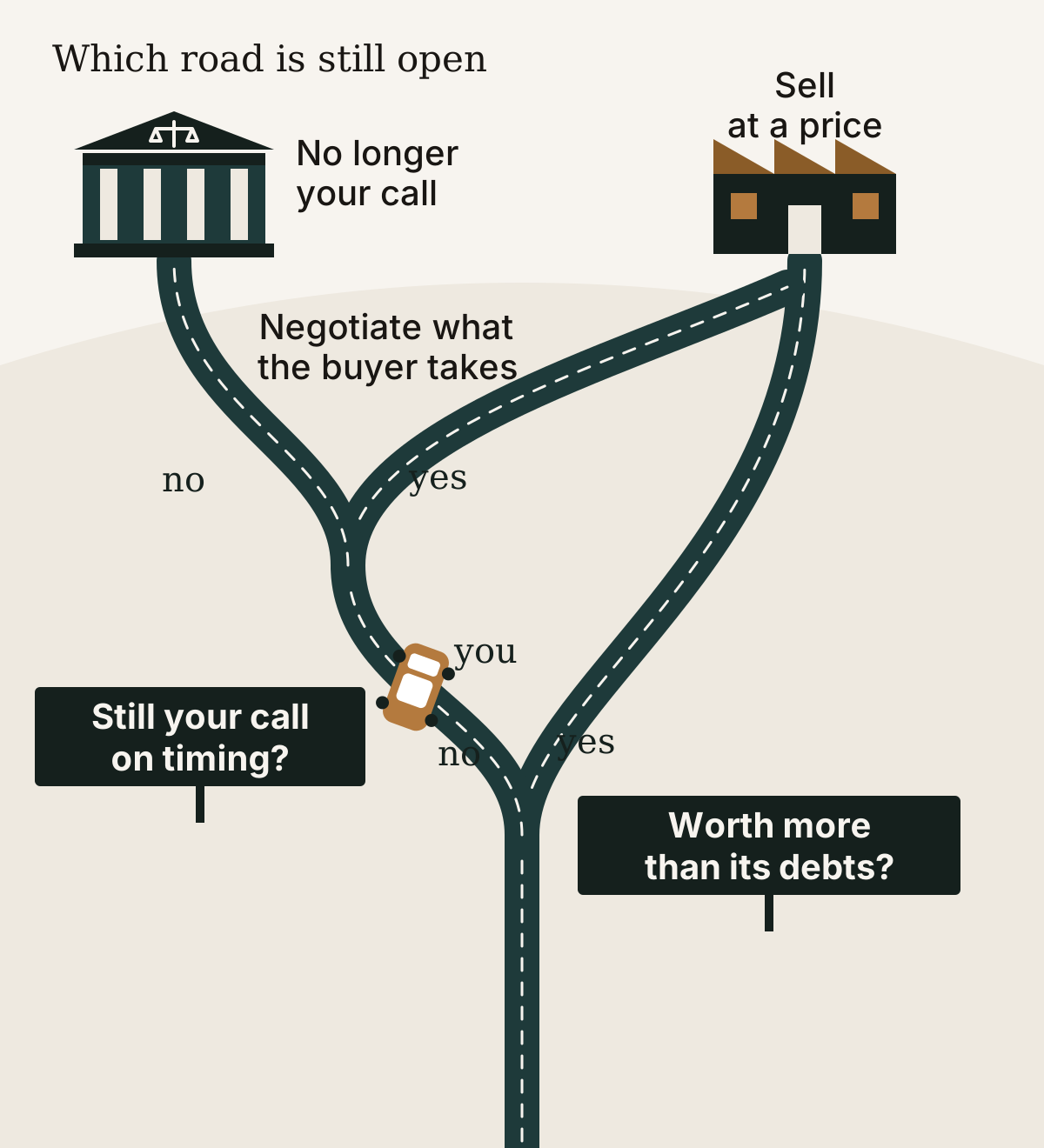
In the sales I conduct, this question reaches me too late more often than too early. In my invented printing business, the day to ask it was when the paper merchant first wanted cash on delivery, long before the bank wrote. Part of the delay comes from the owner being at once seller, guarantor, employer and project manager of his own exit. Someone independent running the process separates those roles; the decisions stay yours.
The two roads side by side
| Closing | Handing over for almost nothing | |
|---|---|---|
| What you receive | What the assets fetch, sold one by one | A token price, sometimes nothing |
| What you pay | Notice wages, rent, clearing out, remaining debts | Lawyer and accountant, sometimes a dowry |
| The staff | Given notice, paid through it | Go with the activity, contracts included |
| The lease and the premises | Rent to the end or an exit fee | Pass to the buyer if the landlord agrees |
| The bank and your guarantee | Usually claimed for the shortfall | Stays until the bank releases you |
| Who sets the timing | You, while the company pays its bills and owes less than it owns | You, under the same limit |
| How long it takes | As long as notice periods and lease run | As long as the buyer and the consents take |
Which one suits whom
Closing suits you when nobody wants the running activity, the lease is ending anyway, the team is small or near retirement, and the assets are worth more sold one by one than as a whole.
Handing over for almost nothing suits you when your clients, team or location are worth something to somebody, the lease still has years to run, and a guarantee with your name on it waits to be released. It also has an expiry date: it only works while the moment is still yours to choose. The two checks to do first, with your accountant, today: does the company still pay its bills on time, and do its debts already exceed what it owns?