Journal

Succession insights

Practical perspectives on preparing and executing a business succession worldwide, with Swiss expertise.

  1. How Do Business Owners Retire? Free to Say No to an Offer

    Most sell or hand over the company. Those who do it well know years ahead what the price must fund, and save outside the firm so they can say no.

    Read article
    Marker drawing of a glass savings jar full of coins with a dark lid, painted copper, and an envelope leaning against it with a handwritten letter sticking out
  2. Can You Retire From Your Own Business Without Selling It?
    Yes, if the company can pay a manager at market rate and still produce your income after that. Then your role changes: you govern from the board.

    Read article
    Marker drawing of an empty rocking chair seen from the side, facing a framed certificate on the wall that shows a small factory with a copper seal
  3. Business Succession Planning: Who on Your Team Retires When You Do?
    List your key posts with birth years. If two or three fall within three years of yours, a buyer sees several successions: allow about five years.

    Read article
    Marker drawing of a wall punch clock beside a rack of seven time cards; a copper loop circles three neighbouring cards
  4. How Do You Pass Your Business to Your Children? First Make Sure Their Yes Could Have Been a No
    Hand the business to a child once their yes could have been a no at no cost: inheritance, family place, income. Eleven steps to make the no possible.

    Read article
    Marker drawing of a house door standing open, seen from the front; light shows through the opening and a copper wedge on the floor holds the door open
  5. Should I Sell My Business? What a Sale Costs, and What It Costs to Fix the Fatigue Instead
    Sell if you'd still want to leave once the load is lifted. If you want relief, buy it first: one salary a year, and it can be undone. A sale can't.

    Read article
    Marker drawing of a desk lamp lit above a tall stack of folders; a cream arrow carries the top of the stack to a smaller pile on a second desk
  6. Earn-Out Agreement: What Happens to Your Deferred Price If You Leave Before the End?
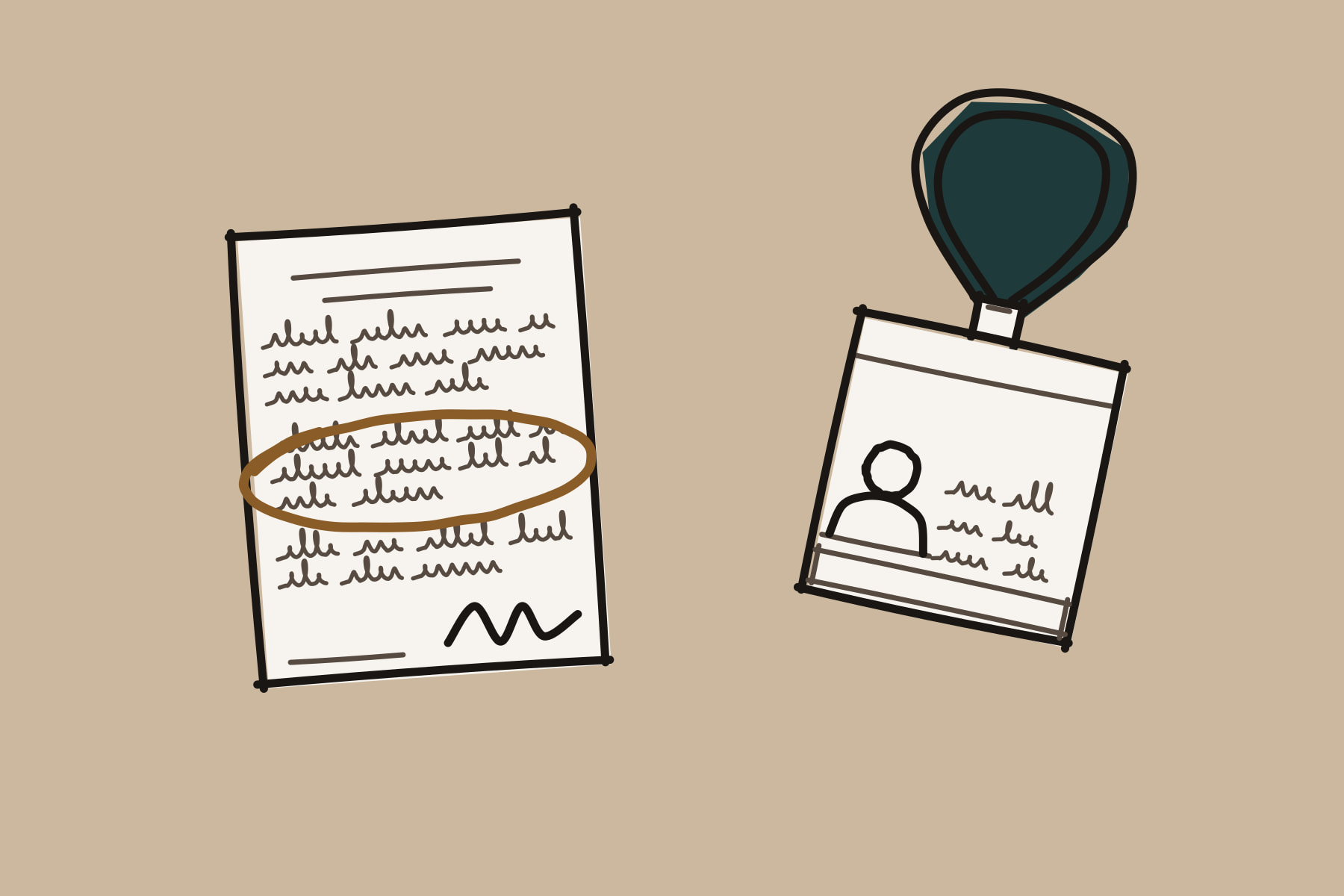
    For each way of leaving, your earn-out agreement should say if the deferred price keeps running, is paid out now or is frozen. Silence lets it vanish.

    Read article
    Marker drawing of a sale contract seen from above with one paragraph circled in copper, and an employee badge on its lanyard lying beside it
  7. What's the Formula for Valuing a Business? Two Assumptions Make Most of the Number
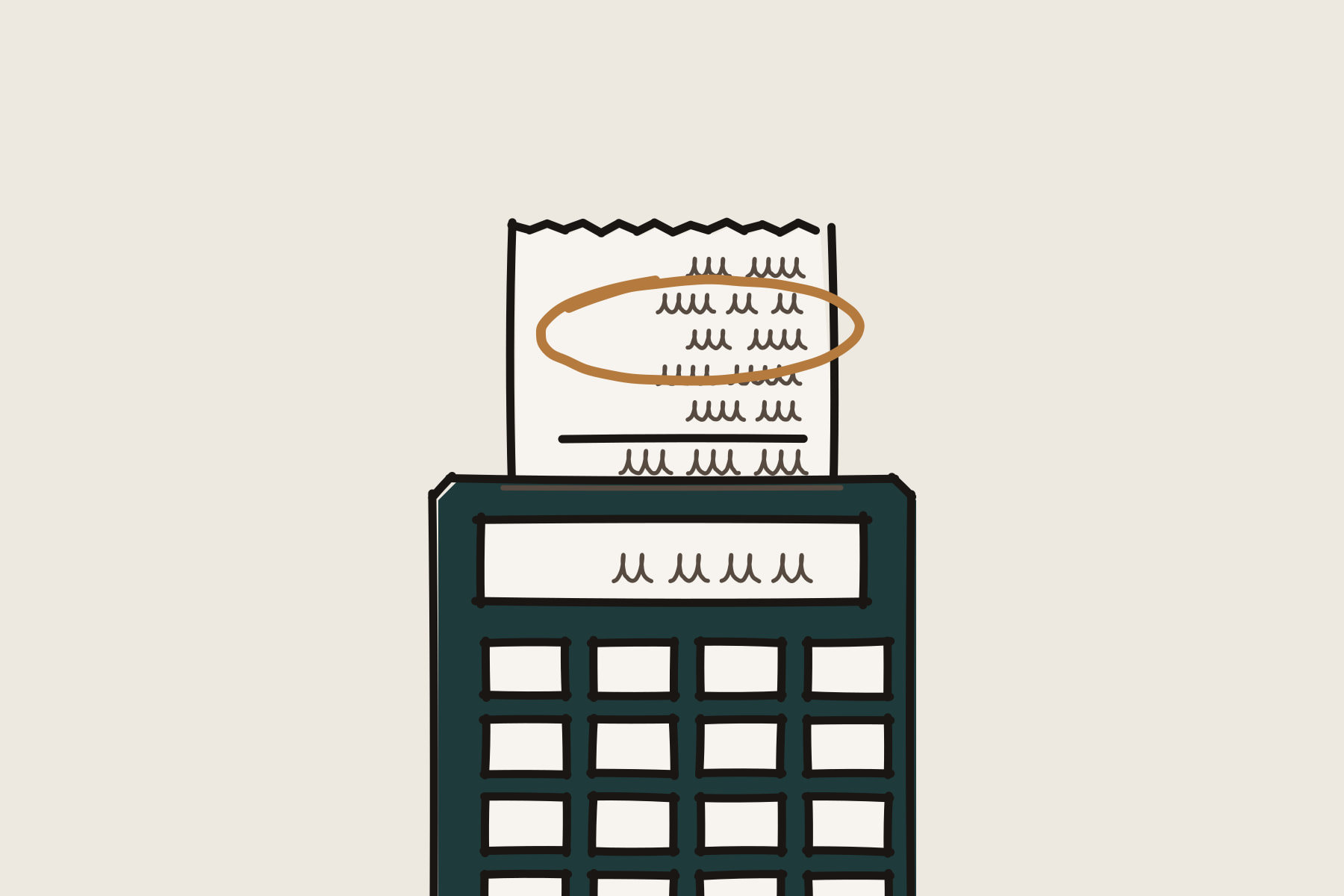
    The business valuation formula fits in one sentence. Two assumptions, the rate and the value of distant years, make most of the number. How to read them.

    Read article
    Marker drawing of a desk calculator printing a paper tape covered in illegible figures; two lines of the tape are circled in copper above the total
  8. Should I Sell My Business or Close It? When It's Worth Less Than Its Debts, Selling Often Costs Less
    When your business is worth less than its debts, closing it often costs more than handing it over for almost nothing. What to negotiate, and until when.

    Read article
    Marker drawing of a key ring with three keys and a single copper coin lying on a counter
  9. How to Find a Buyer for Your Small Business: Start With Those Who Already Know It
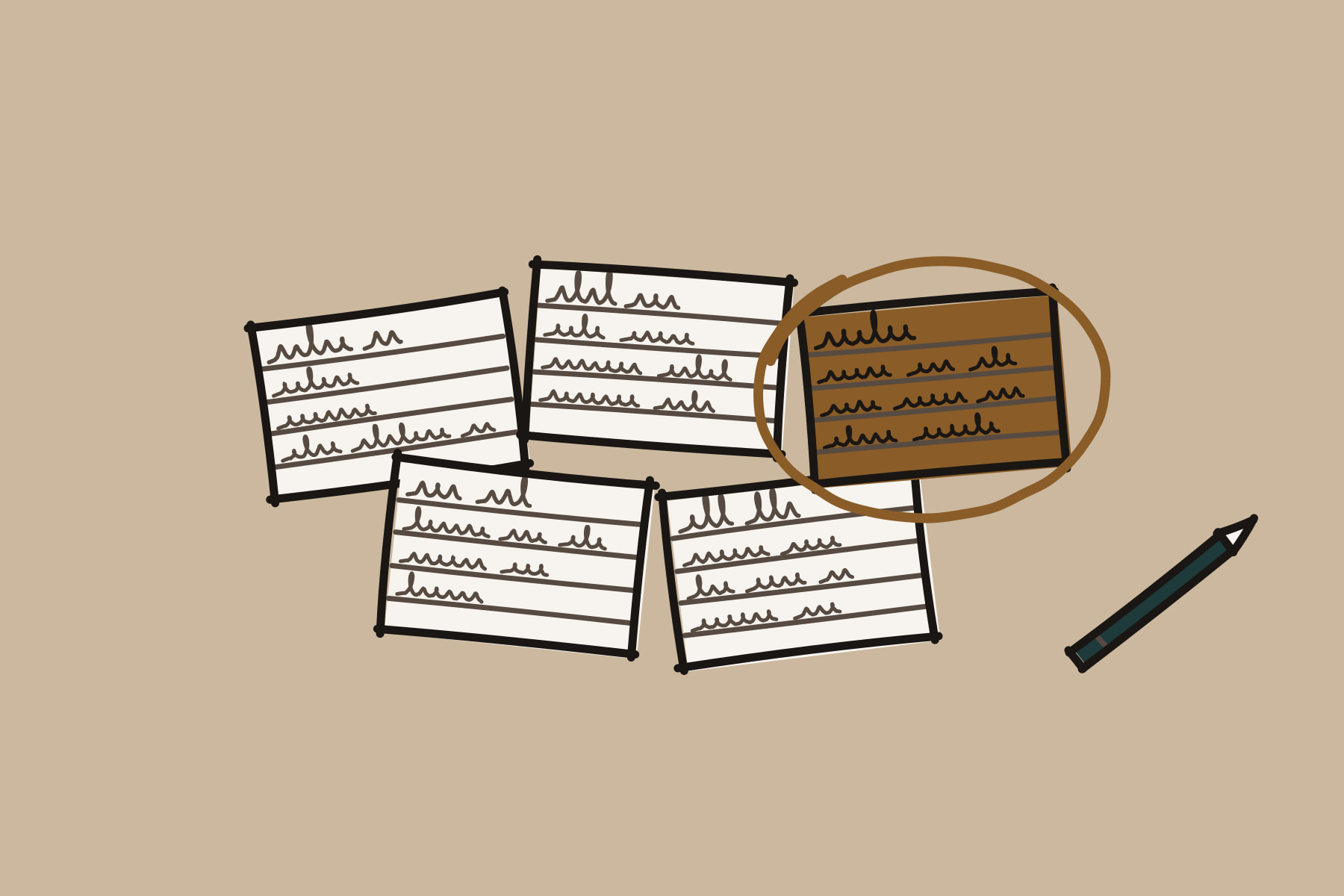
    Your likeliest buyers often already know your business. List them, rank them by real interest and leak risk, and you know whom to approach first.

    Read article
    Marker drawing of five index cards spread on a table, each with a few lines of handwriting; one card is filled copper and circled, a pencil lies beside them
  10. What Happens to Your Apprentices When You Sell Your Business?
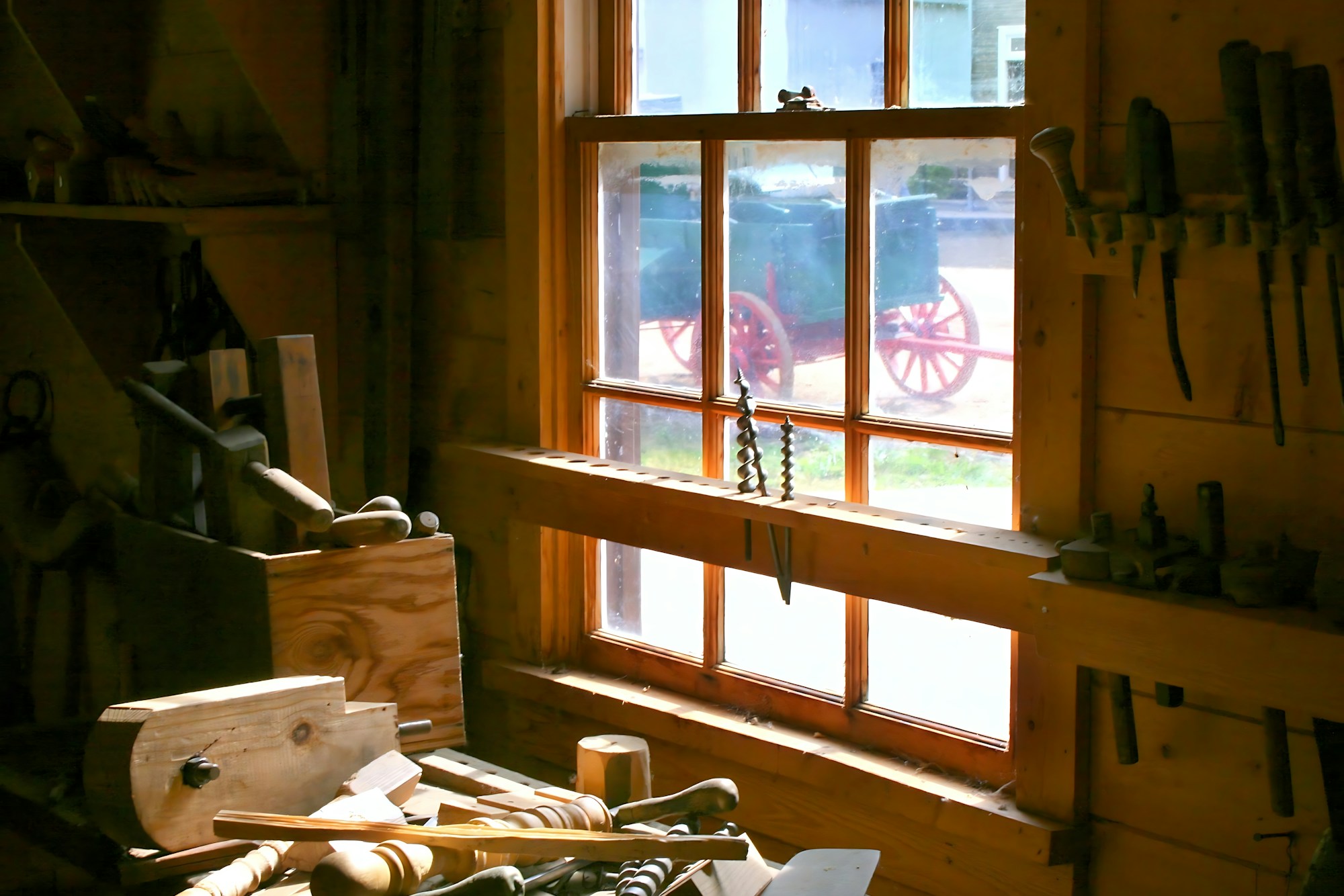
    What happens to apprentices when you sell, why the right to train can leave with the owner, and what to do from two years out to a year after.

    Read article
    Marker drawing of two aprons on a peg rail above a workbench; an arrow runs from the owner's apron to the copper apron of the employee who will train next