Handing over a valley business when the pool of buyers is the village
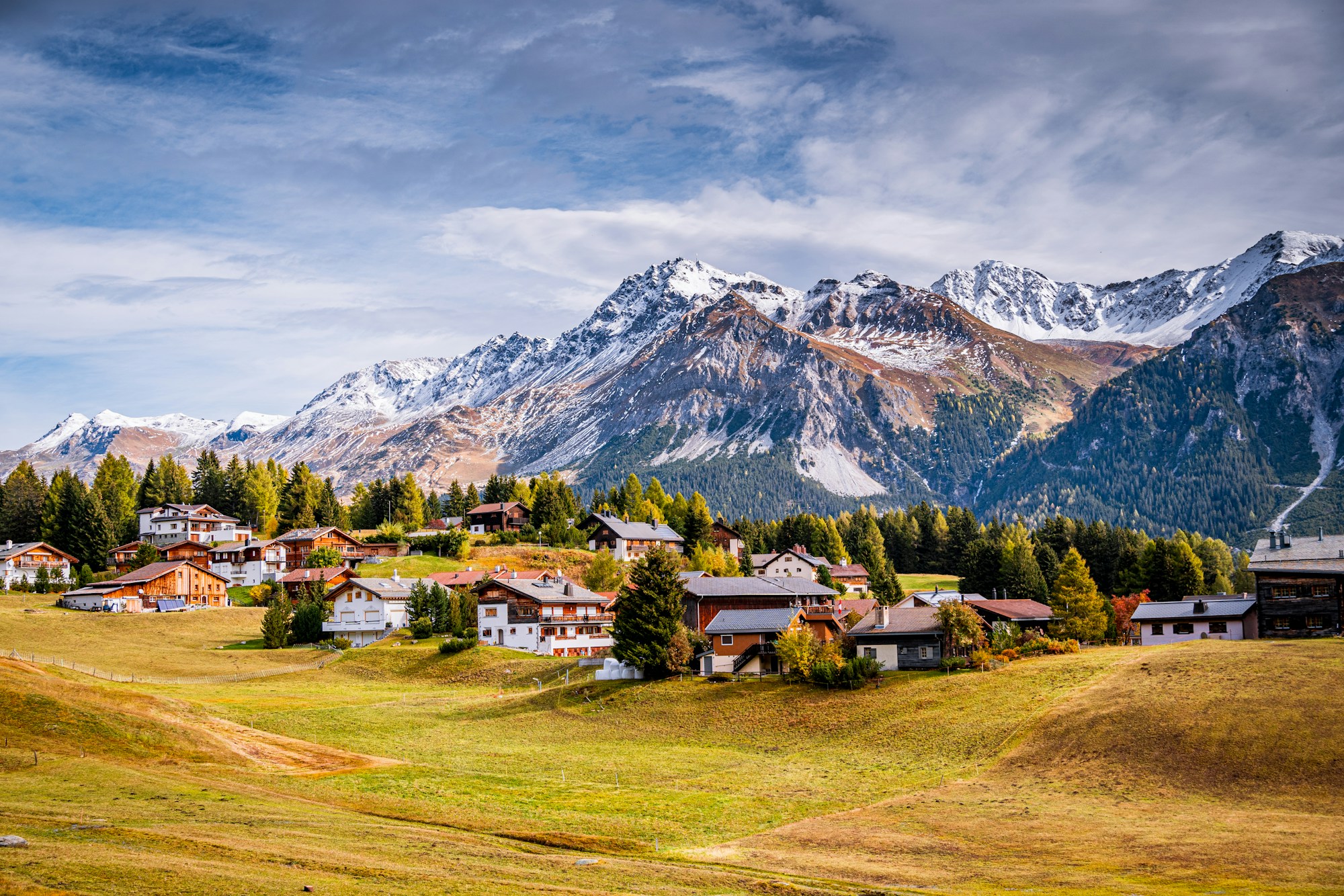
A business in a side valley, forty minutes from the nearest town of any size, does not change hands with the same options as a business on the edge of Zurich or Munich. When the natural pool of buyers is the village and its surroundings, the owner faces a fork with three prongs: bring in a buyer from elsewhere, combine with another firm in the region, or sell to a supplier or customer with a stake in the activity carrying on. The three routes are not prepared the same way, do not run on the same clock and do not leave the same thing behind in the village. The criteria for choosing between them can be set out before anyone goes looking for a candidate.
Picture a joinery and timber-construction firm of eighteen people in a Graubünden valley, owner aged 63, production hall built in 1998 on land the company owns; a hypothetical case, not a client. The son has a career in Chur and will not come back. The foreman, 52, can do everything but has neither the wish nor the equity to take over. The two competitors in the valley are the owner's age. The starting point is ordinary: the shortage of buyers is visible across Switzerland, as in Germany or Austria, but outside the centres it comes with a geography attached. The same joinery in a Tyrolean valley or in the Black Forest would raise the same questions.
Three constraints a city firm never meets
The first is the pool. A prospective buyer living in Zurich, Stuttgart or Vienna looks first at businesses within reach of home; a listing for a company at the far end of a valley draws a fraction of the enquiries the same business would attract thirty kilometres from a city. That is not a verdict on the company. It is a question of moving house: taking over here means living here, with a partner who needs a job and children who change schools.
The second is attachment. In a municipality of two thousand people, the company is not only an employer. It trains the apprentices, sponsors the ski club, occupies a plot everyone knows. The owner does not want to be the one who "sold to people from outside", and that attachment, legitimate as it is, closes doors before anyone has tried them.
The third is the property. A well-kept hall in a lowland industrial zone is valued by comparison with nearby transactions. The same hall in a valley with no other possible buyer is worth only what its rental yield supports, and that yield depends on a single tenant: the company itself. Selling the property with the business or splitting it off is a question everywhere; on the periphery it often decides the price of the whole.
Three routes, and what each one opens
The buyer from elsewhere is an individual, often a manager aged forty to fifty-five, looking for a company to run and willing to relocate. This is the management buy-in in its most demanding form, because the person changes employer, status and home at the same time. The regional combination brings the company together with another firm in the valley or the next one, often a competitor, sometimes a complementary trade, to form a group large enough to survive two retirements instead of one. The sale to a supplier or customer brings in a buyer who is not there for the company as such but to secure an outlet or a source: the window manufacturer buying its fitter, the wholesaler taking over its haulier, the energy cooperative acquiring its installer.
| Criterion | Buyer from elsewhere | Regional combination | Supplier or customer |
|---|---|---|---|
| What the buyer is really acquiring | A trade and a position, to make a living from | A customer base and a team, to reach critical mass | A link in its own chain |
| Fate of the property | Rarely bought at the outset; rented, with a purchase option | Often partly redundant once sites are combined | Useful if the site serves the buyer, otherwise to be taken out before the sale |
| Realistic time to signature | Twelve to twenty-four months, to find the person and finance them | Six to eighteen months, with the talking often longer than the contract | Six to twelve months where the relationship already exists |
| What stays in the village | The name, the team, a new face at the top | Some of the jobs, a name sometimes changed, a site sometimes closed | The activity, under a banner locals already know |
| Main risk for the seller | The person never settles and leaves after two winters | Talks between equals stall on who runs the whole | A price that reflects the value to the buyer, not the market |
| What the seller must prepare | A vendor loan and an organisation that runs without them | A costing of the overlaps and an answer to the leadership question | A quantified commercial dependency and a plan B if the buyer withdraws |
The criteria that decide
The first is the share of the business that depends on one customer or supplier. In the mandates I run outside the centres, it is not unusual for a third or more of turnover to pass through one or two partners. Where that is the case, those partners are natural buyers, because losing the company would cost them more than buying it. But the dependency has a hidden side: a buyer who is also your largest customer knows your margins, and will negotiate a price that reflects what you earn them, not what the company is worth on an open market. Opening a parallel conversation with a regional competitor, however unwelcome the idea, is often the only way to remind them they are not alone.
The second is the weight of the building in the owner's wealth. If the hall represents half of what the owner hopes to take out of the sale, the individual-buyer route narrows: that person will finance the operations, not the walls, and the bank behind them lends against cash flows, not against land with no alternative use. The owner then keeps the property, lets it, and accepts that the capital comes back as rent over ten or fifteen years, an acceptable choice at 58 and a much harder one at 68. A regional combination or an industrial buyer is more likely to have a use for the site, or the means to carry it.
The third is the time available. Bringing someone in from outside means finding them, convincing them, settling them and financing them, and I know of no way to compress that journey below a year without taking the first person who turns up. An owner who starts at 64 intending to leave at 65 does not have this option; they have the other two, and even then only if the relationships already exist.
The fourth is what the seller wants to leave behind, and it weighs more than people admit. A regional combination keeps jobs in the valley, but rarely all of them, and not always the name. An individual buyer keeps the company as it is, but rests that continuity on one person and their ability to put down roots. An industrial buyer keeps the activity for as long as it serves them. None of the three is the status quo, and an owner looking for the status quo will find all three wanting.
Which route suits whom
The buyer from elsewhere suits the company that has time, a team able to carry the workshop while the newcomer learns the territory, and an owner prepared to finance part of the price and keep the walls for a few years. It is the route that changes the company least and asks the most of the seller.
The regional combination suits the company whose value lies in its customers and its people rather than its site, in a valley where a partner of comparable size and different age exists. It requires a clear answer, before any discussion of figures, to the question of who will run the combined firm; that is where I have seen the most mergers die, not on price.
The sale to a supplier or customer suits the company already embedded in a chain, with a buyer who has a lasting interest in the activity staying put. It is the fastest route and often the worst paid, unless the seller has taken care to make the competition visible.
What I observe in the valleys is that the question is almost never asked too late for lack of candidates. It is asked too late because the owner was waiting for the village to produce an answer. The village produces apprentices, customers and neighbours; it rarely produces a buyer. It falls to the owner to go and find one, and to know in which direction to look.